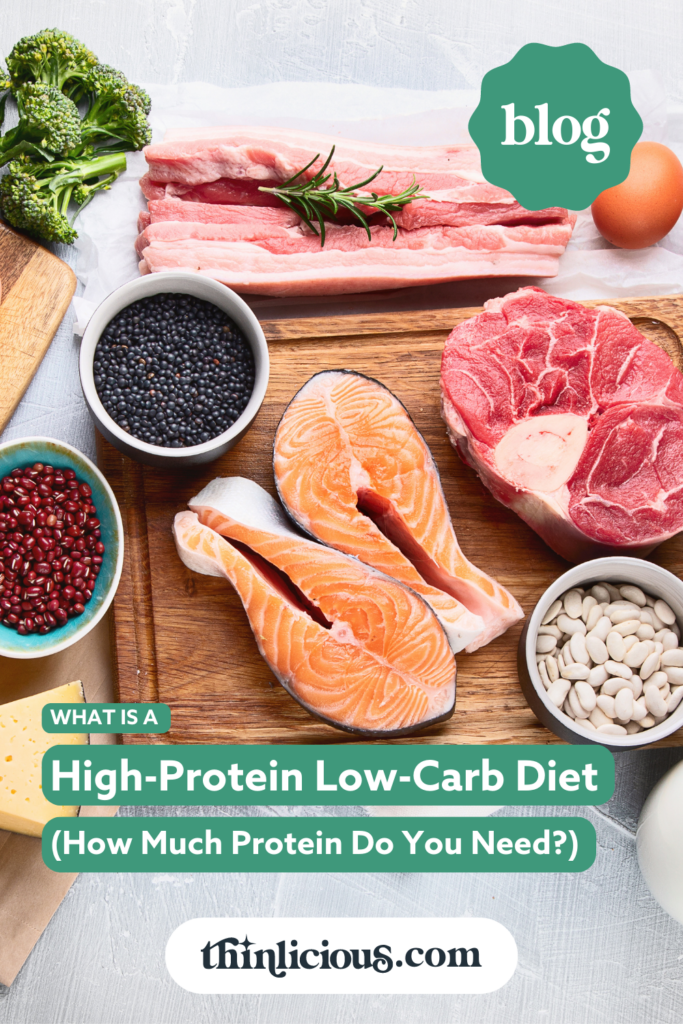
Top 10 Protein-Rich Foods for Building Muscle
Building muscle effectively requires not just rigorous training but also a well-balanced diet, particularly one rich in protein. Here are the top 10 protein-rich foods that can help you achieve your fitness goals:
- Chicken Breast: A staple for many athletes, chicken breast offers around 31 grams of protein per 100 grams. It's low in fat and versatile in meals. Learn more about chicken nutrition.
- Eggs: Each egg contains about 6 grams of protein and is an excellent source of essential amino acids. Plus, they're packed with vitamins. Discover the benefits of eggs.
- Greek Yogurt: With approximately 10 grams of protein per 100 grams, Greek yogurt is a delicious snack that can aid muscle recovery. Read more about Greek yogurt.
- Quinoa: This complete protein provides 8 grams of protein per cup and is an excellent choice for vegetarians. Find out more about quinoa.
- Almonds: Offering about 21 grams of protein per 100 grams, almonds are perfect for snacking and rich in healthy fats. Check out the benefits of almonds.
Continuing with our list, here are the remaining five protein-rich foods to consider:
- Fish: Varieties like salmon and tuna are packed with protein, providing around 25 grams per 100 grams, along with heart-healthy omega-3 fatty acids. Explore these fish benefits.
- Cottage Cheese: This dairy product contains about 11 grams of protein per 100 grams and is highly nutritious and versatile. Learn more about cottage cheese.
- Lean Beef: A great source of protein, lean beef contains around 26 grams of protein per 100 grams and is also rich in iron. Read about lean beef.
- Lentils: These legumes provide around 9 grams of protein per half-cup and are a fantastic plant-based option. Check out the benefits of lentils.
- Tofu: A versatile source of plant protein, tofu provides about 8 grams per 100 grams and is ideal for vegetarian diets. Find out more about tofu.
How to Create a Balanced, Protein-Packed Meal Plan
Creating a balanced, protein-packed meal plan is essential for maintaining a healthy lifestyle and supporting muscle growth. Start by incorporating a variety of protein sources such as lean meats, fish, eggs, dairy, legumes, and nuts. Aim to include high-protein foods in each meal to ensure an adequate intake throughout the day. For instance, you can structure your meal plan as follows:
- Breakfast: Scrambled eggs with spinach and whole-grain toast
- Lunch: Grilled chicken salad with quinoa and assorted vegetables
- Dinner: Baked salmon with sweet potatoes and steamed broccoli
For more tips on high-protein foods, visit Healthline.
As you create your protein-packed meal plan, it's crucial to balance your macronutrients. Incorporate healthy fats from sources like avocados, olive oil, and fatty fish, while also including complex carbohydrates from whole grains, fruits, and vegetables. This approach not only boosts your protein intake but also ensures you are getting essential vitamins and minerals. To keep your meals interesting, try experimenting with different recipes and cooking methods. For inspiration, check out Eating Well.
What Are the Benefits of Protein for Muscle Gain?
Protein plays a crucial role in muscle gain due to its fundamental role in muscle repair and growth. When you engage in strength training or any form of resistance exercise, tiny tears occur in your muscle fibers. Consuming adequate protein helps facilitate the repair process, allowing your muscles to recover and grow stronger. According to a study published by PubMed Central, athletes may benefit from protein intake of about 1.2 to 2.0 grams per kilogram of body weight to optimize muscle synthesis.
Additionally, protein can enhance your overall body composition by promoting muscle gain while helping to minimize fat accumulation. High-protein diets have been associated with increased satiety, which can help manage appetite and reduce unnecessary calorie consumption. A review article on Nutrition Reviews highlights that a consistent intake of protein not only supports muscle hypertrophy but also contributes to better metabolic health, making it a vital component of any fitness regimen aimed at muscle development.