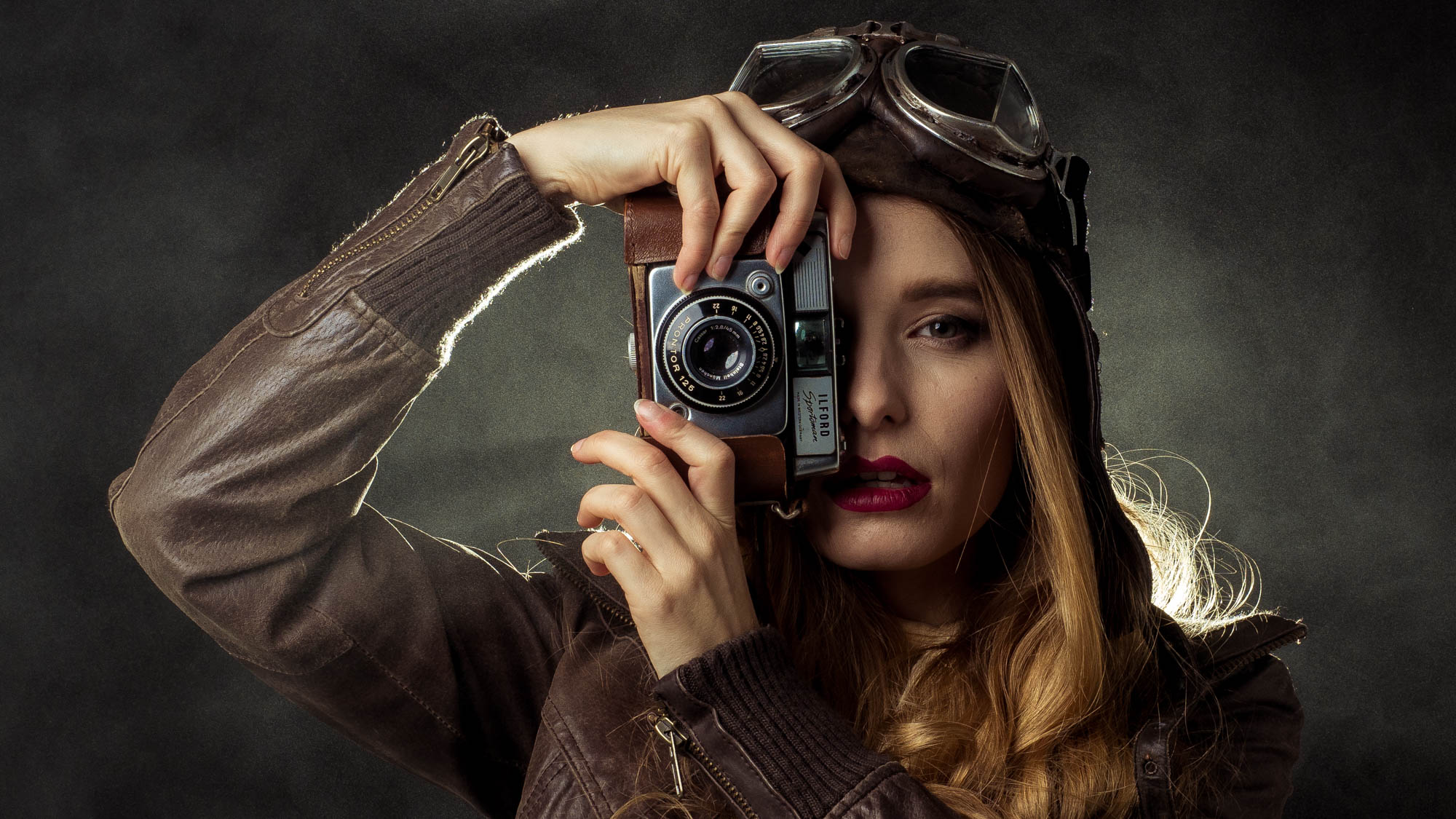
The Fine Line: When Passion for Photography Turns into Obsession
Photography is a beautiful art form that allows individuals to express their creativity and capture the world around them. Many start their journey with a passion for photography, excited to explore new techniques, equipment, and styles. However, as time goes on, this passion can sometimes morph into an overwhelming obsession. This shift often occurs when photographers become overly fixated on perfection, constantly seeking validation through likes and shares on social media, which can lead to a detrimental cycle of comparison and self-doubt.
Recognizing the fine line between passion and obsession is vital for maintaining a healthy relationship with photography. To ensure that your love for this craft remains a positive force in your life, consider the following tips:
- **Set boundaries** for when and how often you'll shoot.
- **Engage in other hobbies** to diversify your interests.
- **Establish realistic goals**, focusing on personal growth rather than external approval.
Capturing Moments vs. Capturing Life: Finding Balance in Photography
The art of photography often navigates the delicate balance between capturing moments and capturing life. While moments can be fleeting, representing specific instances that evoke emotions or tell a story, life encompasses the broader experience, filled with layers of context and meaning. Photographers must learn to appreciate the significance of both aspects; a single snapshot of a child blowing out birthday candles can encapsulate a moment of joy, yet it is the endless series of these moments that illustrate the tapestry of life itself. Striving for harmony between these two extremes can enrich one’s photographic journey, allowing for a deeper exploration of both the immediate and the overarching narrative that defines our experiences.
To find this balance, photographers can adopt various techniques such as candid photography, which helps capture spontaneous moments without forcing artifice, and documentary photography, which invites viewers into the ongoing story of life. By switching between these styles, one can build a comprehensive portfolio that reflects both snapshots of individual moments and the continuity of life as a whole. Whether it’s focusing on a child’s laughter during a summer picnic or showcasing the tranquil transition of seasons, recognizing the value in both capturing moments and fulfilling the broader canvas of capturing life ultimately leads to richer, more evocative photography.
Is Your Camera Controlling You? Understanding Photography Addiction
In today's digital age, photography addiction has become an increasingly relevant topic as more individuals immerse themselves in the world of capturing moments. Many photographers find themselves spending hours behind the lens, driven by the desire to create the perfect shot. However, this passion can turn into an obsession, leading to a phenomenon where the camera appears to take control of the photographer's life. This addiction often manifests as a compulsion to document every aspect of life, from mundane daily activities to extraordinary events, thus blurring the lines between enjoying the moment and feeling the need to record it.
Identifying whether your camera is controlling you can be challenging, but there are some key signs to look for. Consider the following questions:
- Do you find it difficult to enjoy experiences without capturing them on camera?
- Have you missed out on social interactions because you were focused on taking pictures?
- Do you feel anxious or uneasy if you don't have your camera with you?