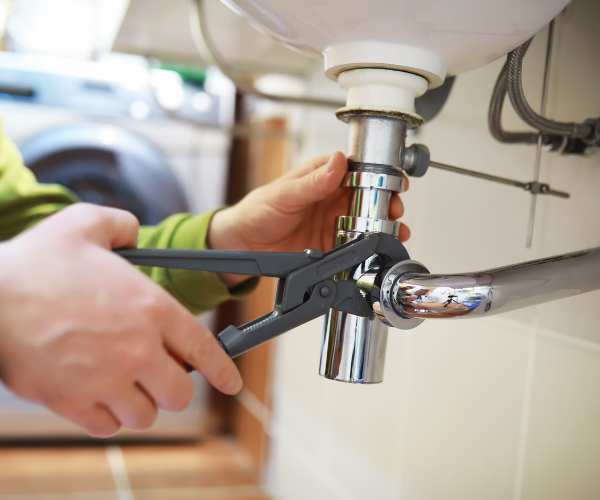
Essential Plumbing Repair Techniques Every Homeowner Should Know
As a homeowner, understanding essential plumbing repair techniques can save you time and money. One of the most common issues you may encounter is a leaky faucet. To fix this, you’ll want to start by turning off the water supply and removing the handle. After that, check the washer and the O-ring for wear and replace them if necessary. Additionally, knowing how to unclog drains can be incredibly helpful. You can use a plunger or a plumbing snake to remove blockages effectively. In dire situations, a wet/dry vacuum can also assist in sucking out any debris, making it a valuable tool for any homeowner.
Another critical skill is the ability to repair running toilets. Often, the culprit is a faulty flapper or a misaligned float arm. To tackle this repair, lift the tank lid and inspect these components. Adjust or replace them as needed to stop the constant flow of water. Additionally, familiarize yourself with pipe fitting techniques. Joining pipes can require various methods, such as using compression fittings or soldering, depending on the materials involved. Practice these essential plumbing techniques, as they’ll not only enhance your home maintenance skills but also empower you to tackle minor plumbing challenges with confidence.
10 Common Plumbing Problems and How to Fix Them
Plumbing issues can arise unexpectedly, but understanding the 10 common plumbing problems can help homeowners tackle these situations with confidence. From leaky faucets to clogged drains, knowing how to identify and rectify these issues is essential for maintaining a functional home. Below is a list of some of the most frequent plumbing problems you may encounter:
- Leaky Faucets: Often resulting from worn-out washers or O-rings, they can waste a significant amount of water.
- Running Toilets: This typically occurs due to a faulty flapper valve, causing continuous water flow.
- Clogged Drains: Caused by hair, soap residue, and food particles, these can usually be resolved with a plunger or drain snake.
- Low Water Pressure: This can indicate a range of issues, from mineral buildup in fixtures to more serious plumbing problems.
- Water Heater Issues: Leaks or insufficient hot water may point to a failing water heater.
- Overflowing Toilets: This can occur due to a clogged toilet trap or malfunctioning float.
- Leaky Pipes: Often a result of corrosion or damage, these require immediate attention to prevent water damage.
- Running Hot Water: This could signify a faulty thermostat or sediment buildup within the heater.
- Trash Disposal Issues: Jams can happen if non-food items are put in the disposal.
- Galvanized Pipes: Older homes often have these, which can corrode and affect water pressure and quality.
Is Your Drain Clogged? Here’s How to Clear It Like a Pro
If you've ever experienced the frustration of a clogged drain, you're not alone. Clogs can occur for various reasons, from hair and soap buildup in the bathroom to grease and food remnants in the kitchen. Thankfully, you don’t need to be a plumbing expert to tackle minor blockages effectively. Start by using a plunger. Ensure there’s enough water in the sink or tub to cover the rubber part of the plunger. Place it over the drain and create a tight seal, then push down and pull up vigorously to dislodge the obstruction. If that doesn't work, don't worry—there are more advanced techniques you can try!
For persistent clogs, consider using a drain snake or a homemade solution of baking soda and vinegar. To use the drain snake, carefully insert it into the drain until you reach the clog, then twist and pull to remove it. Alternatively, pour baking soda down the drain followed by vinegar. You'll see fizzing as the two react—this can help break down the buildup. Allow the mixture to sit for about 30 minutes, then flush with hot water. Remember, if these methods don’t work, it might be time to call a professional plumber to avoid further damage to your plumbing.