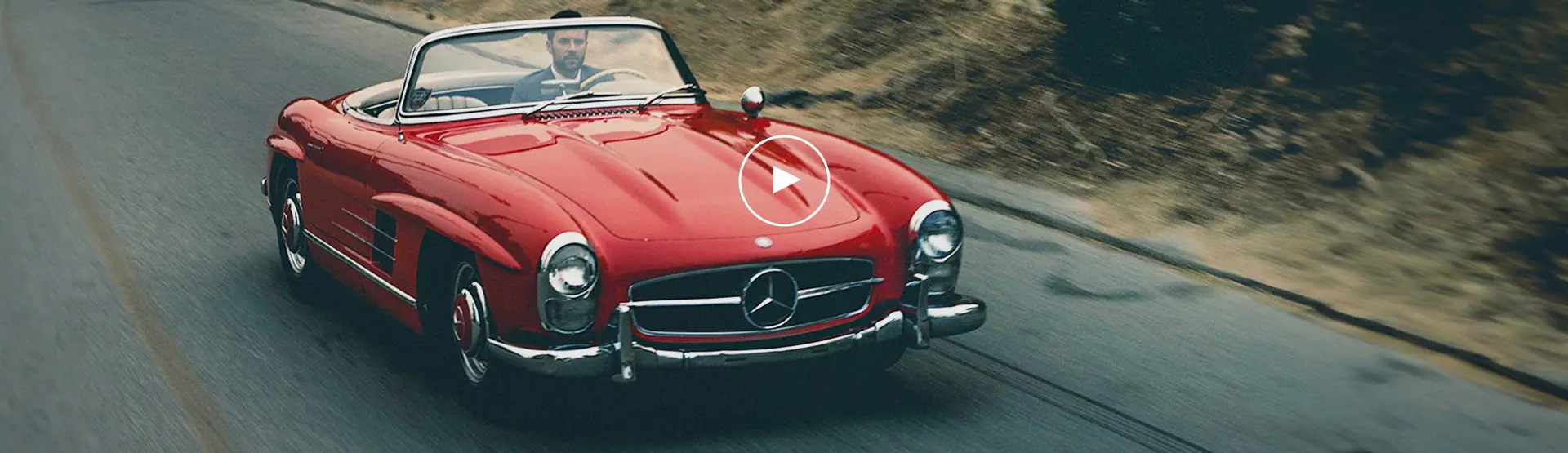
The Evolution of Classic Cars: A Journey Through Time
The evolution of classic cars is a fascinating journey that reflects the advancements in automotive technology, design, and consumer preferences over the decades. Starting in the early 20th century, vehicles were rudimentary, primarily serving practical purposes. As the years progressed, innovations such as the V8 engine in the 1940s and the incorporation of safety features in the 1960s began to transform the driving experience. Classic cars from this era, like the Ford Mustang and Chevrolet Corvette, are now revered not only for their performance but also as symbols of freedom and nostalgia. For a deeper understanding of automobile history, you can visit Hagerty.
By the 1970s and 1980s, the classic car market began to see an influx of foreign models, introducing a new wave of styles and technological innovation. Models like the Datsun 240Z and Porsche 911 highlighted the shift toward performance-oriented designs, while the rise of regulations focused on emissions and safety prompted manufacturers to rethink their production strategies. Collectors began to appreciate these vehicles as investments, influencing modern restoration and preservation practices. Learn more about the differences between classic and modern cars at AutoTrader.
Five Must-See Classic Cars That Defined an Era
Classic cars have a unique charm that transcends generations, and certain models have truly defined an era in automotive history. From the sleek lines of the 1957 Chevrolet Bel Air to the muscular roar of the 1970 Ford Mustang GT500, these vehicles capture the spirit of their time. Here are five must-see classic cars that every enthusiast should know:
- Volkswagen Beetle: Known for its iconic shape and affordability, the Beetle not only provided reliable transportation but also became a symbol of the counterculture movement.
- Chevrolet Corvette: Launched in 1953, the Corvette became synonymous with American sports cars, offering unmatched performance and style.
- Jaguar E-Type: Often celebrated for its stunning design, the E-Type is frequently referred to as one of the most beautiful cars ever made.
- Ford Model T: Revolutionizing the automotive industry, the Model T made car ownership accessible to the masses and remains a cornerstone of automotive history.
- Porsche 911: With its distinctive design and engineering excellence, the 911 has stood the test of time and remains a favorite among car enthusiasts.
What Makes a Car a Classic? Understanding the Criteria
Determining what makes a car a classic involves evaluating several criteria that go beyond mere age. Generally, a car is categorized as a classic if it is at least 20 years old, but age alone isn’t sufficient. Notable factors include rarity, historical significance, and cultural impact. For instance, models like the Ford Mustang and Chevy Corvette are often celebrated for their lasting influence on automotive design and performance, further solidifying their classic status.
Another aspect that contributes to a car's classification as a classic is its condition and originality. Many enthusiasts seek vehicles that are as close to their original state as possible, with authentic parts and pieces. Restoration efforts can also play a role; cars that have been well-maintained or skillfully restored often hold a higher value. Understanding the nuances of the classic car market can be enlightening; for further reading, visit Hagerty’s Guide on classic criteria.